


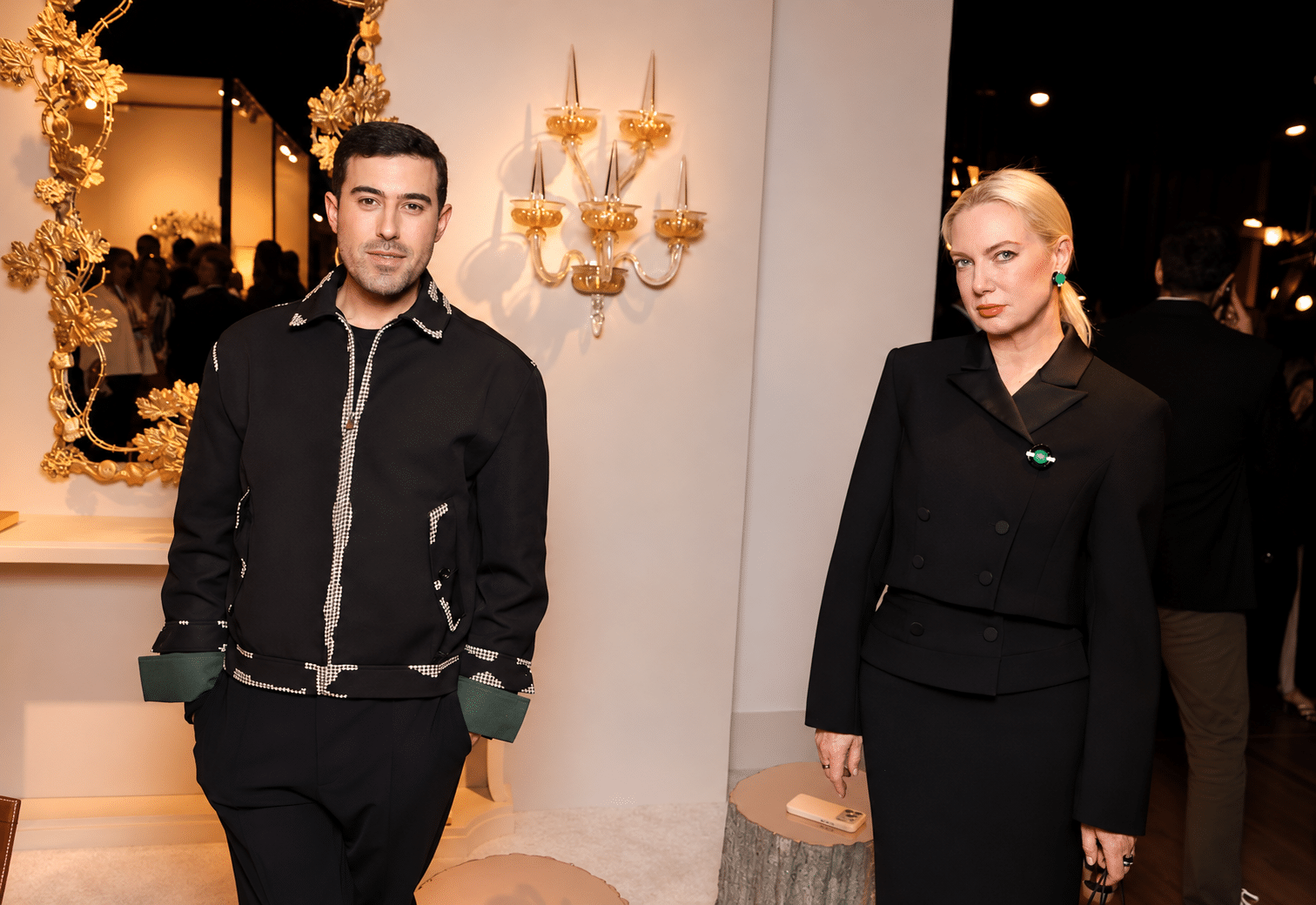
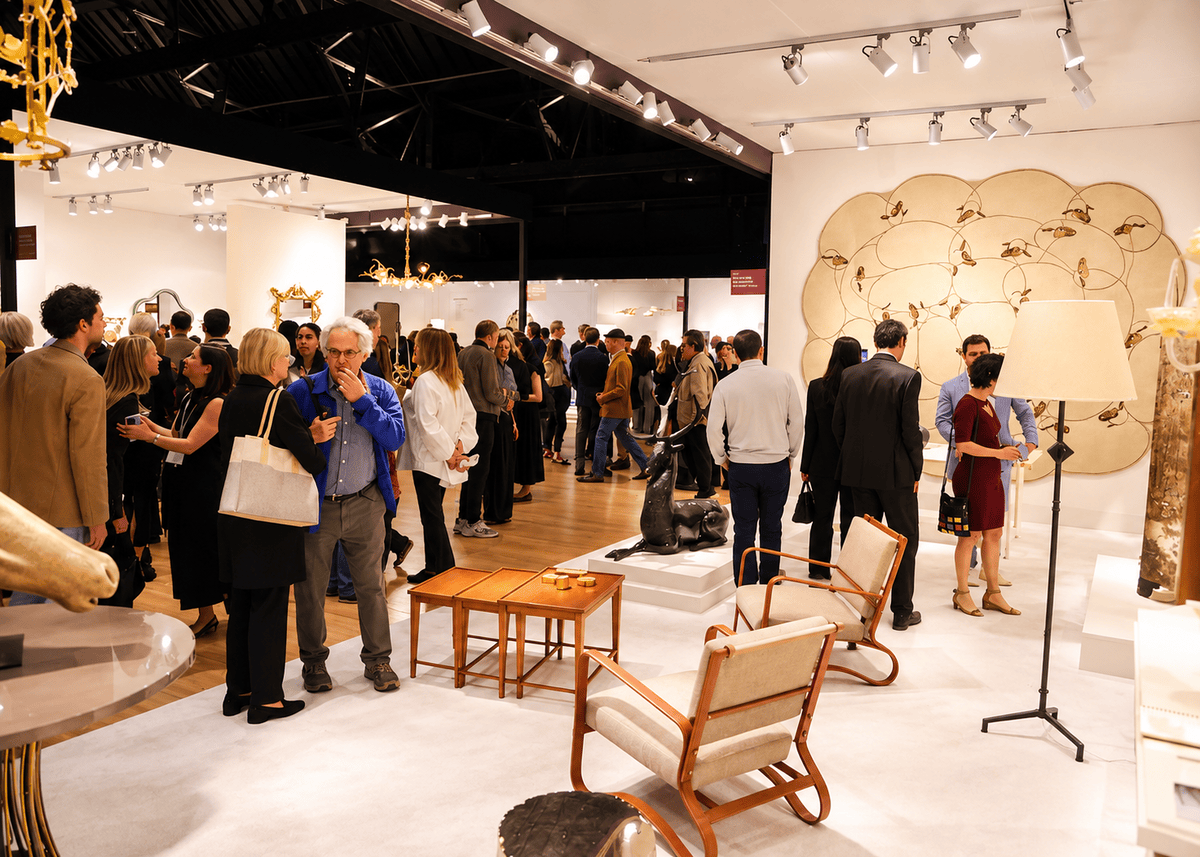
For fifteen years, Salon Art + Design has transformed New York’s historic Park Avenue Armory into a destination for collectors, designers, and cultural tastemakers. This November, the celebrated fair returned for its milestone anniversary, bringing together more than 50 international exhibitors and reaffirming its position as one of the city’s most anticipated cultural events.
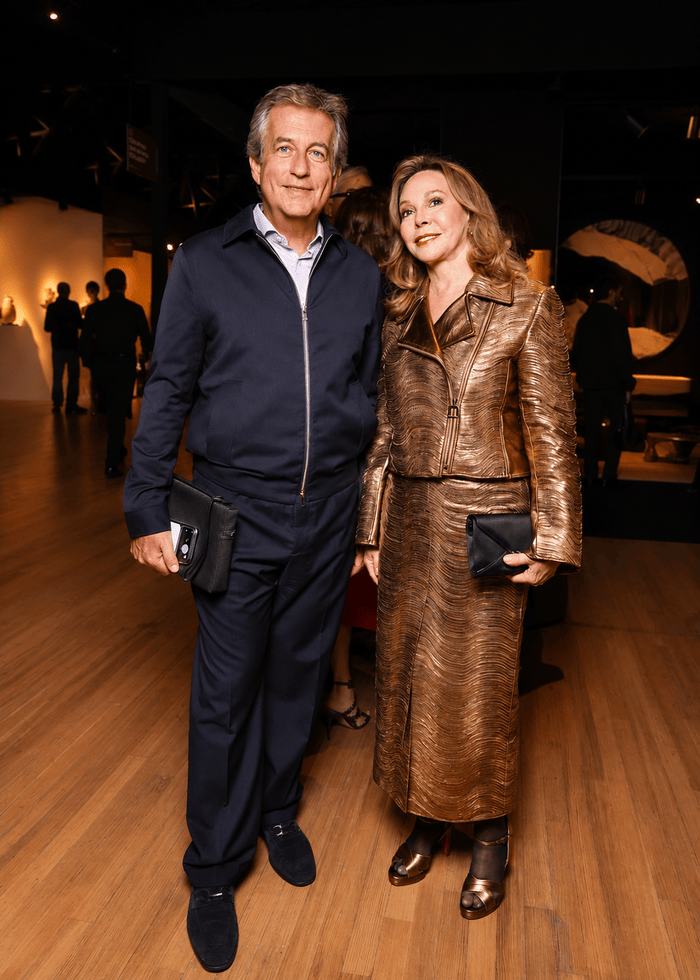
The November 4 opening night welcomed a record-breaking 3,300 guests, filling the Armory with an eclectic mix of collectors, artists, designers, and familiar faces from New York’s social scene. Among those in attendance were actress Drew Barrymore, Dia Art Foundation director Jessica Morgan, and Dia board chair Nathalie de Gunzburg. The evening also supported Dia Art Foundation, continuing a longstanding partnership between the two organizations.
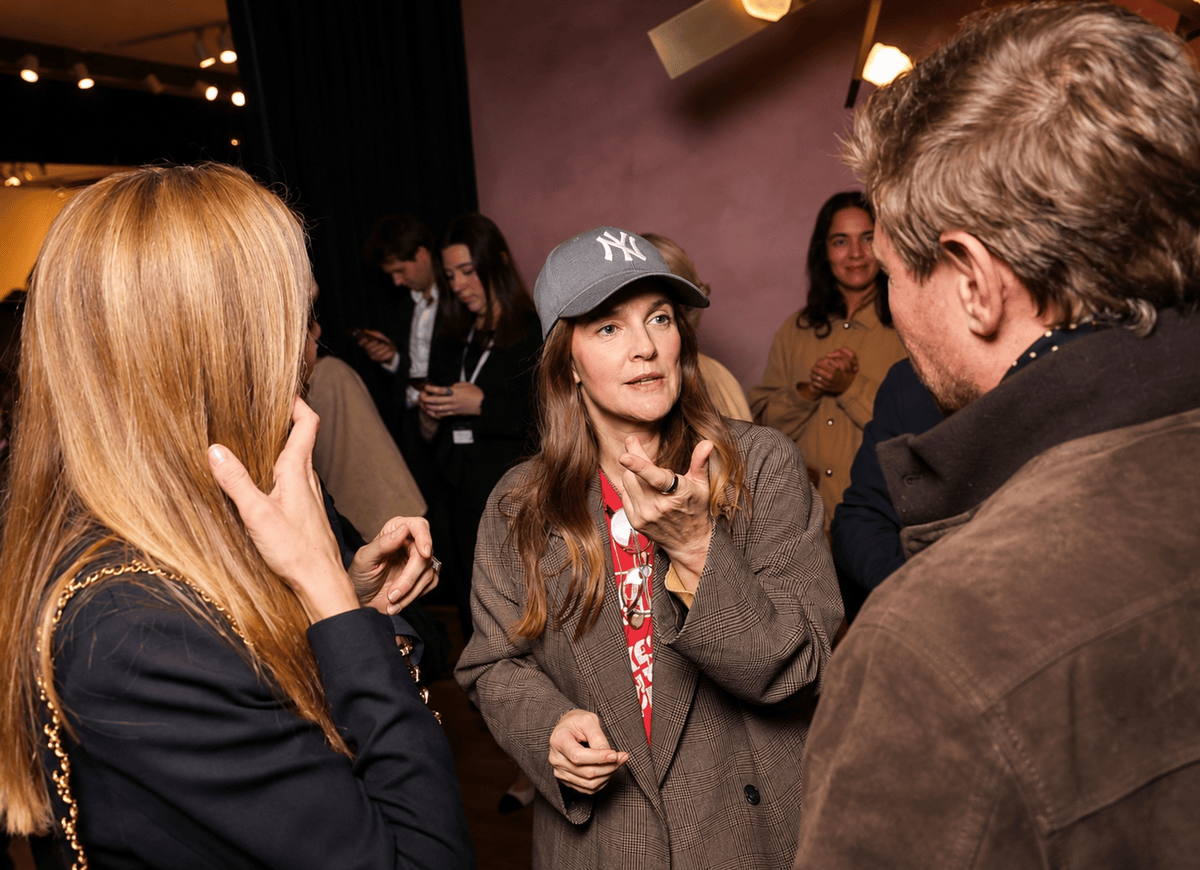
Yet beyond the opening-night festivities, Salon’s appeal lies in its ability to challenge the traditional distinctions between fine art and functional design. Here, a sculptural chair can command the same attention as a painting, a jewel can be appreciated as a miniature work of architecture, and an antique can feel entirely contemporary.
Under the direction of Executive Director Nicky Dessources, this year’s edition embraced that philosophy with an especially ambitious international presentation. Galleries from Europe, the Americas, and beyond brought together historic masterpieces, contemporary furniture, rare decorative objects, and exceptional jewelry, creating an experience that felt as much like a series of beautifully appointed private residences as a traditional art fair.
Among the most compelling presentations was Parisian gallery Maisonjaune Studio, recipient of the Best Booth Design award at the Salon Art + Design x Galerie Awards. Founded by Julien and Elodie Régnier with their daughter Jeanne, the gallery created an intimate, amber-hued interior that juxtaposed vintage Hans Hopfer armchairs with Isamu Noguchi’s iconic paper lanterns, intricate tapestries, and contemporary sculptural works. The result was an inviting environment that demonstrated the enduring appeal of mixing periods, materials, and artistic disciplines.
Elsewhere, Galerie Gabriel presented a striking stainless-steel writing desk by the late designer Maria Pergay, whose pioneering approach to metal furniture attracted admirers including Christian Dior, Hubert de Givenchy, and Salvador Dalí. Commissioned in the late 1960s, the sculptural piece exemplified the extraordinary intersection of design history and artistic innovation that has become synonymous with Salon.
At Hostler Burrows, Finnish artist Marianne Huotari’s Night in the Arboretum offered an unexpected interpretation of textile art. Resembling a richly textured garden tapestry, the work revealed an intricate construction of ceramic elements and beading upon closer inspection. Meanwhile, Todd Merrill Studio showcased Maarten Vrolijk’s Sakura Tree, a vibrant glass vessel inspired by the fleeting beauty of cherry blossoms, blurring the line between sculpture and decorative object.
The fair also highlighted a growing appreciation for sustainable materials and innovative craftsmanship. Brooklyn-based artist Richard Haining, represented by Wexler Gallery, received the Emerging Talent award for his remarkable transformations of reclaimed wood into sculptural furnishings. Often working with timber salvaged from decommissioned New York water towers, Haining creates pieces that demonstrate how discarded materials can acquire an entirely new sense of beauty and permanence.
Jewelry, increasingly central to the collectible design conversation, commanded considerable attention throughout the Armory. Brazilian designer Fernando Jorge received the award for Best Jewelry Presentation for Armour, a collection inspired by traditional African shields. Combining ebony, tagua seed, gold, and diamonds, the pieces explored the relationship between adornment, sculpture, and cultural symbolism.
Historic craftsmanship was equally celebrated. Carlo Bella received the Legacy Honors award for a rare late-19th-century Bamileke royal mask from Cameroon, while Cristina Grajales Gallery was recognized for a work by Tracy Krumm, whose intricate combinations of crocheted metal, glass, and found materials challenge conventional perceptions of sculpture.
Beyond the individual presentations, this year’s Salon reflected a broader evolution in the way collectors approach their homes. Increasingly, the distinction between collecting art and collecting design has become less relevant. A thoughtfully curated interior might incorporate a midcentury masterpiece alongside contemporary ceramics, an important painting, and a one-of-a-kind lighting installation. The result is a home that reflects personal taste rather than adherence to a particular period or aesthetic.
That philosophy extends beyond the Armory itself. Earlier this year, Salon partnered with Bergdorf Goodman on an immersive installation within the department store’s seventh-floor home department, presenting collectible design in a residential context. The collaboration offered a glimpse into the fair’s ambitions to engage audiences beyond its annual November presentation.
As Salon Art + Design enters its next chapter, its significance extends well beyond the objects available for acquisition. The fair celebrates the enduring value of craftsmanship, the importance of preserving design history, and the excitement of discovering artists whose work will shape the interiors of tomorrow.
In an era when luxury is increasingly defined by individuality and authenticity, Salon offers a compelling reminder that the most extraordinary spaces are not simply decorated, but thoughtfully collected. After fifteen years, its greatest achievement may be encouraging us to reconsider what constitutes a work of art—and how beautifully art and everyday life can coexist.
Salon Art + Design takes place November 4–8, 2026, at the Park Avenue Armory in New York City.