


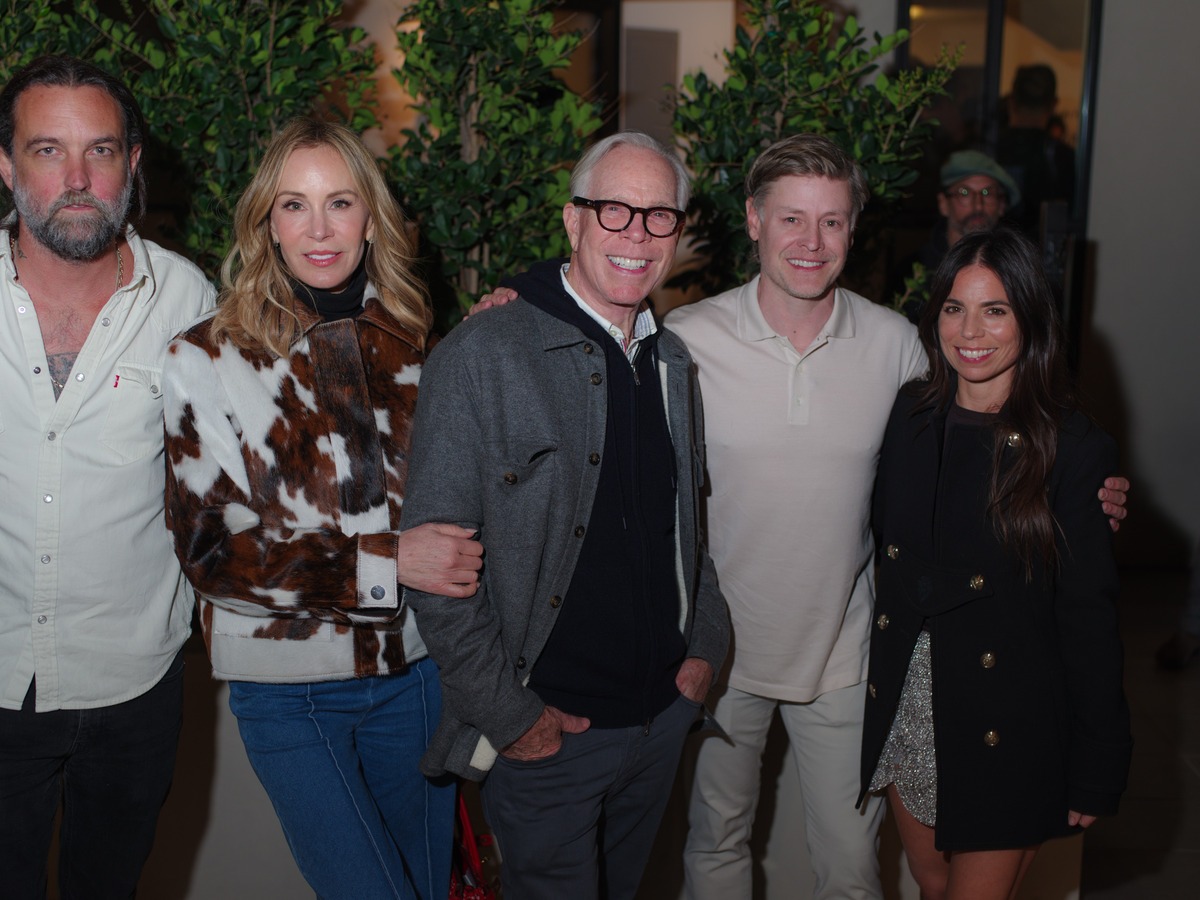
On January 28, 2026, Dialogues on the Knoll, curated by Kipton Cronkite, welcomed more than 175 guests to The Row on West Knoll in West Hollywood for an evening that unfolded as both panel discussion and immersive exhibition. Spanning four contemporary townhomes developed by Frost/Chaddock, the event brought together artists, collectors, designers, architects, developers, media leaders, and civic figures to experience art within lived, residential space. Moving freely through living rooms, stairwells, terraces, and thresholds, guests encountered more than 80 works across painting, photography, sculpture, sound, and mixed media, blurring the line between exhibition, home, and cultural salon. The audience reflected Los Angeles’ cross-disciplinary creative community, with notable attendees including Tommy Hilfiger and Dee Ocleppo Hilfiger, collector Joan Agajanian Quinn, neon artist Lisa Schulte, model Gabriel Aubry, and leaders from the arts, fashion, philanthropy, and civic spheres.
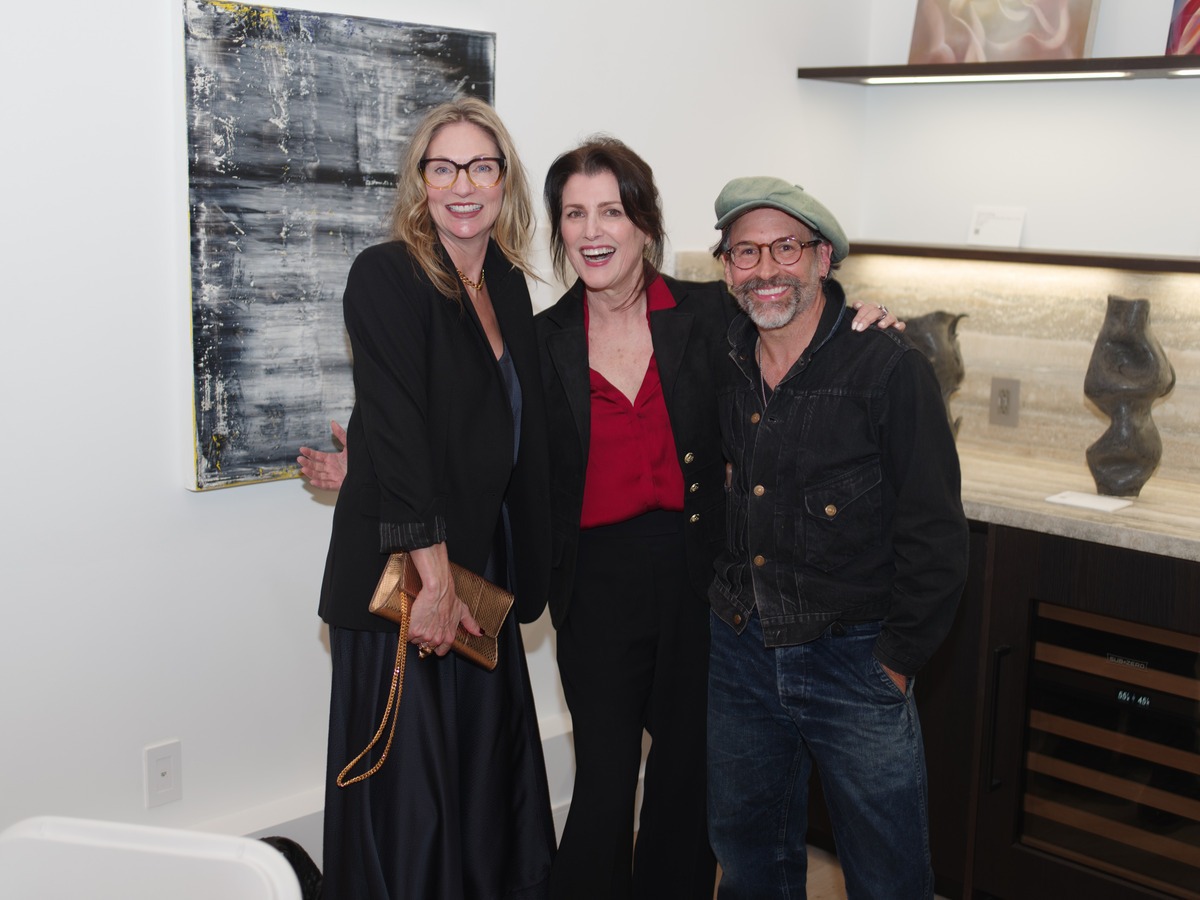
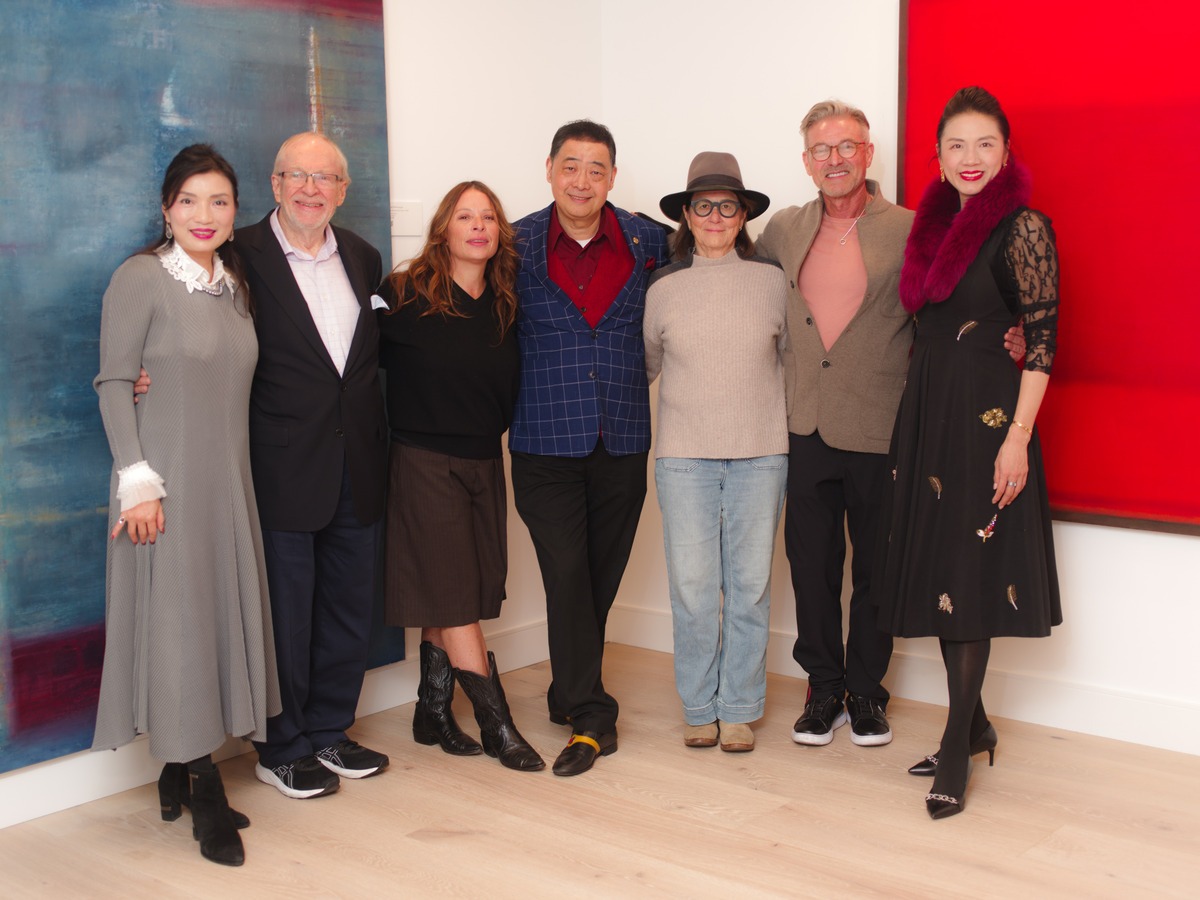
Curated as an evolving installation, Dialogues on the Knoll gathers a group of artists whose practices explore the tension between chaos and stillness, rupture and repair. Clay, bronze, stone, pigment, and frequency serve as vessels for emotional, ecological, and spiritual memory, surfacing the rawness of the human condition alongside gestures of healing and quiet reflection. The exhibition is intentionally designed to change over time; on January 19, it was extended and fully reimagined, with select artists rotating out and new voices entering the same architectural framework, generating renewed spatial relationships and ongoing dialogue between artwork, architecture, and audience.
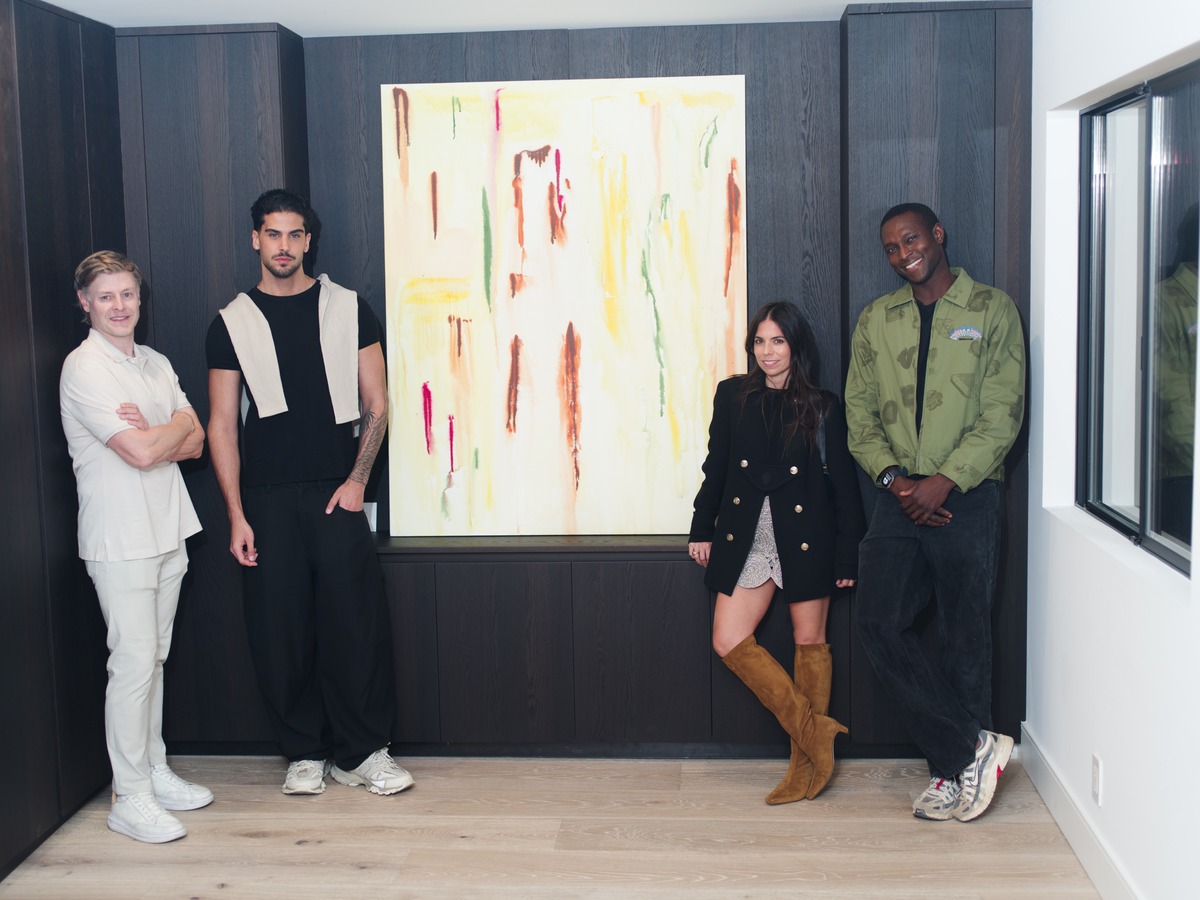

The evening’s panel reinforced the exhibition’s central premise: that art is most powerful when experienced as part of daily life. Panelists from art, architecture, development, media, and design discussed creative trust, narrative-driven place-making, and the role of architecture as both cultural framework and emotional experience. On view through March 8, 2026, Dialogues on the Knoll continues as a living conversation—one that invites viewers to pause, engage, and consider how art and architecture can coexist as sites of awareness, connection, and meaning.