



Few figures have shaped modern brand storytelling like Richard Kirshenbaum. From defining iconic American campaigns to launching some of beauty’s most beloved brands, the ad world heavyweight is now channeling his lifelong passion for narrative into fiction. His latest novel, The Hollywood Fix: The Dirty Business of Keeping the Stars Shiny and Clean, dives into the glamorous—and often shadowy—world of Hollywood fixers during the industry’s Golden Age.
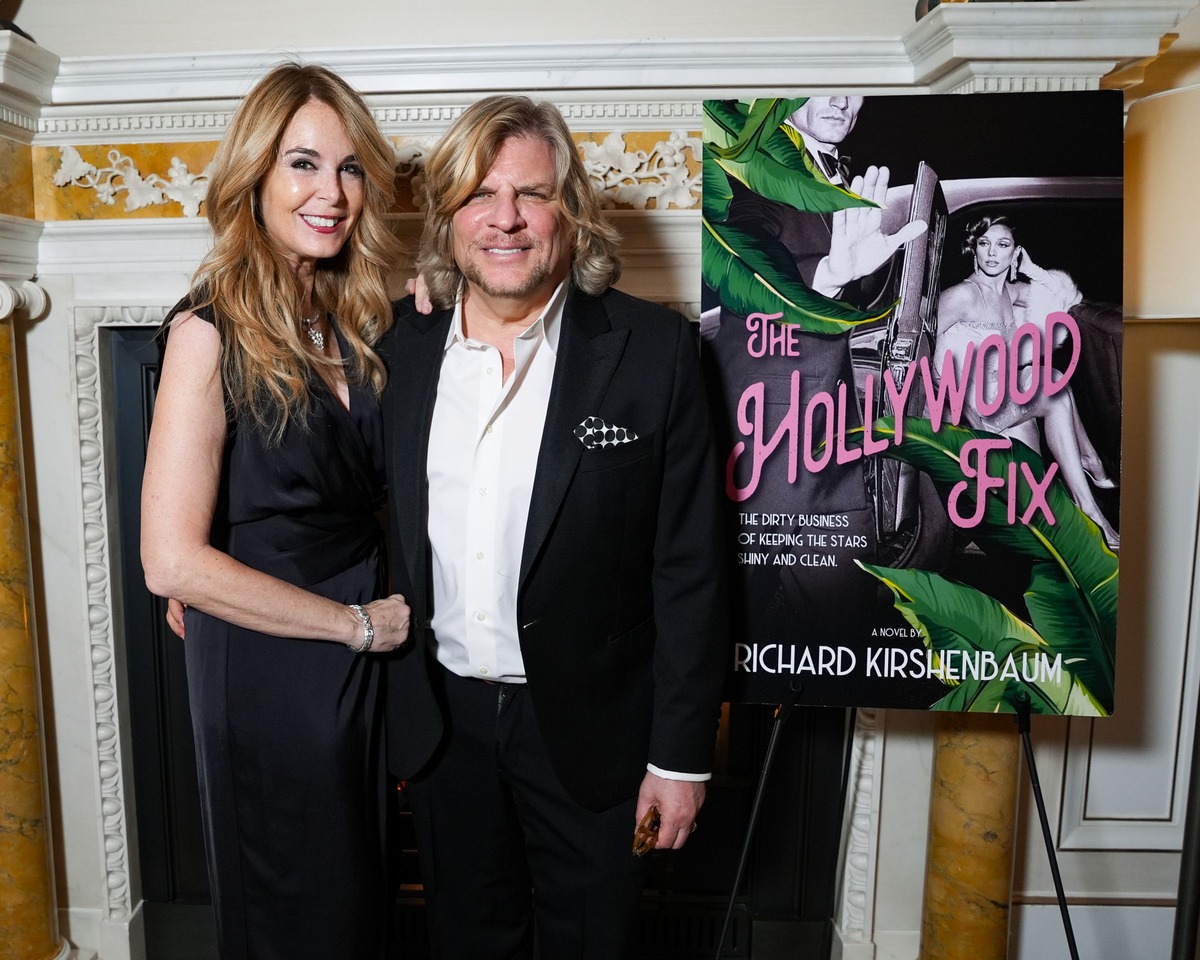
Spotlight: Richard, how did your early experiences in advertising shape your approach to storytelling in your new novel?
Richard Kirshenbaum: I started as a copywriter and comedy writer—eight dollars a joke for Joan Rivers! Storytelling has always been part of my career. Owning agencies and running PR and digital companies is one thing, but at my core, I’m a writer. Writing a novel felt like a natural evolution after my Observer column became a book optioned by ABC.
Spotlight: You’re known for both your creative vision and business acumen. How do you balance the two?
Richard: It’s all about time management. I rotate between my business life, family, writing, and charitable work. I might be finishing a novel while running a shoot in Louisiana and doing press in LA. You just learn to prioritize and allocate your time carefully.
Spotlight: Your book is set in Old Hollywood. How do the fixers of that era compare to PR professionals today?
Richard: Fixers in those days could actually fix things because the public was more naïve. Today, with social media, everything is amplified—even the fix becomes part of the story. But the essence is the same: crisis management and controlling narratives, though the tools and audience have changed dramatically.
Spotlight: Was it harder to invent fictional scandals for your book or to manage real-world crises in advertising?
Richard: I enjoy a good “fix,” but discretion is key. In Old Hollywood, studios weren’t ready for gay stars, women having children out of wedlock, or Latin actors like Rita Hayworth. Fiction allowed me to explore those stories while showing how culture and perception shaped public image—a nuance that real-world PR can’t always reveal.
Spotlight: You’ve had an enormous impact on American culture—from Snapple to Target to Vegas’ Wynn logo. Looking back, what are you most proud of?
Richard: Affecting American culture. Campaigns like Snapple’s Wendy ads or Target’s first fashion housewares campaign created high-low cultural moments. I’m also proud of building brands like Amonte 1530 and now writing novels that celebrate Hollywood’s history and the unsung players behind the scenes.
Spotlight: If your novel were adapted for film, who would you cast as your main characters?
Richard: For Barty Maddox, someone all-American and quick like Austin Butler—or someone offbeat with a sharp wit like Lukas Gage. For George Lamont, the disgraced silent film star, I’d pick Armie Hammer—handsome, talented, and once put on the shelf by Hollywood, much like the character.
Spotlight: What’s next for you creatively?
Richard: I have another novel almost finished, and my first, Rouge, has been optioned by Sony. I’ll also have a small cameo in the upcoming Devil Wears Prada sequel. I love all creative pursuits—it’s a virtuous circle: writing, branding, storytelling. I’m energized and plan to keep building, creating, and seeing these stories come to life.