


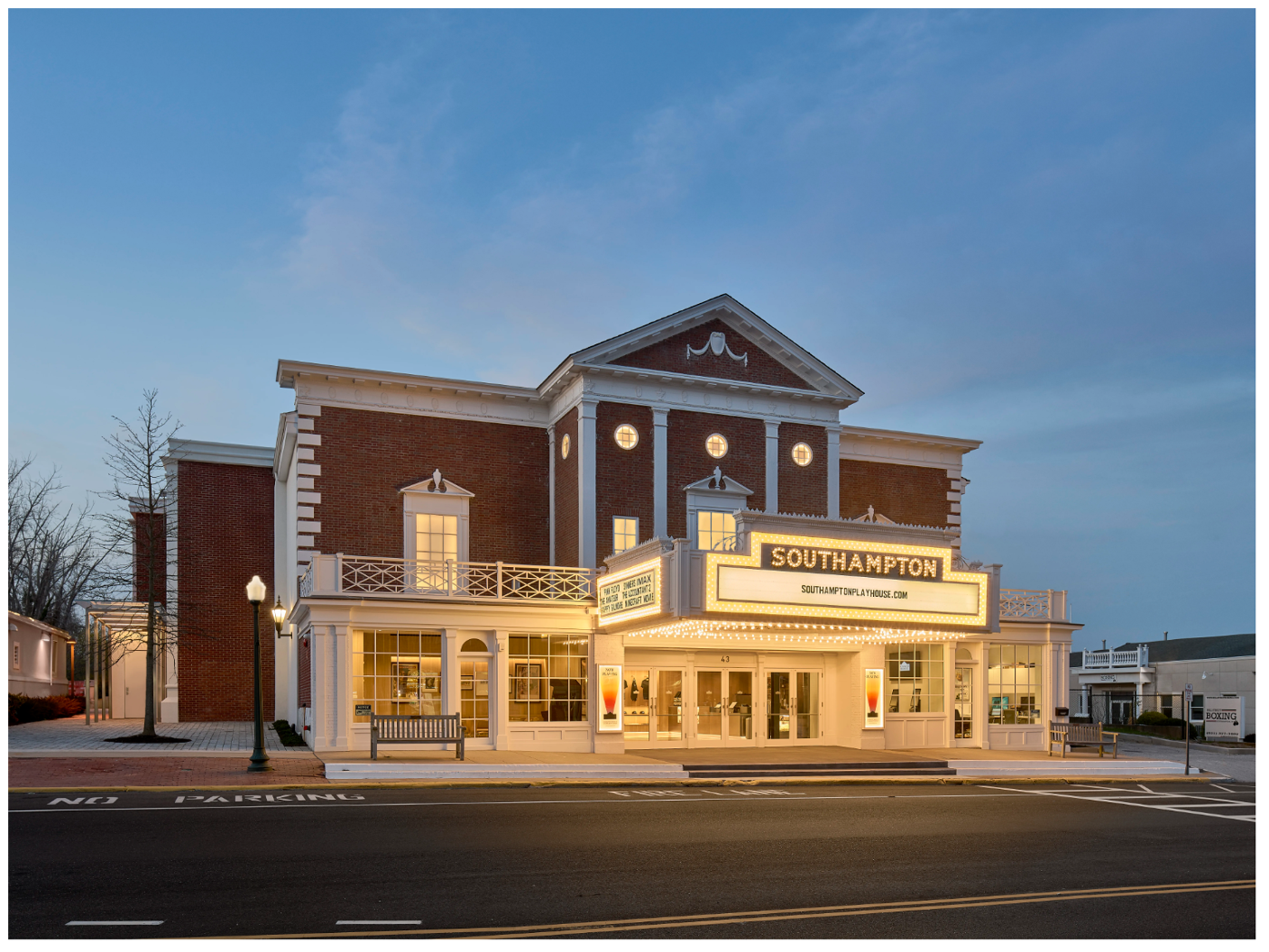
A local landmark just got a sequel—and it’s better than the original. Last year, the newly renovated Southampton Playhouse reopened with four intimate screening rooms. Previously, the theater contained a single auditorium with 1,062 seats. It’s now equipped with a 35mm projector, a lounge area, a podcasting studio, Dolby Atmos sound systems, and the only IMAX theater within a 50-mile radius of the community, making it a destination for cinephiles Out East to find one another and connect.
The Playhouse originally opened its doors in 1932 as a first-run movie theater, during the Great Depression, making it nearly a century old. In the years since, it’s gone through many changes and switched hands numerous times, but the mission has remained the same—provide a space to watch movies on the big screen as they’re meant to be seen.
After it first opened, the property was later acquired by United Artists Theatre. During the 1980s, the company demolished the original single auditorium and replaced it with four smaller screening rooms, all constructed behind the existing facade.
The Southampton Theatre was one of many COVID-19 casualties, closing its doors in March 2020. A couple of years later, real estate billionaire Aby Rosen and his son, Charlie, along with Lyrical Media’s Alex Black purchased the shuttered theater. Together, the trio had a fresher vision: to remake this theater into a nonprofit cultural arts space for movie fans to find community and to inspire younger generations.
After acquiring the theater, the Rosens and Black enlisted 1100 Architect to renovate the future cultural destination, fronted by lead developer Jay Bialsky. Maria A. Ruiz Botsacos was hired as the Playhouse’s executive director, giving the theater its spirit of goodwill and an event-driven momentum that she fostered as Film at Lincoln’s vice president of events. Eric Kohn, a member of the New York Film Critics Circle, serves as the artistic director and oversees the Playhouse’s eclectic programming.
In a recent interview with hamptons.com, Ruiz Botascos and Kohn and shared their hopes for the cinema. “Our lounge is always open during normal business hours. If you see a movie, don’t rush out the door. Consider sitting down, having a drink, and talking through what you just saw. Cinema should inspire conversation.”
Equipped with a 35mm projector and an IMAX theater, the Playhouse aims to appeal to all sensibilities, which includes screening the latest blockbusters, new and exciting international films, and electric repertories showcasing film history. The Southampton Playhouse serves as a vital community hub for movie lovers in the area.
TIMELINE
1932: The Southampton Playhouse opens for the first time under its original name The Southampton Theatre.
1990s: United Artists Theatre acquires the property and knocks down the single auditorium to make room for four smaller screening rooms. It reopens as Southampton 4.
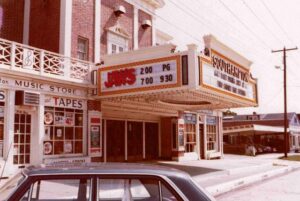
2002: United Artists Theatre is acquired by Regal Cinemas.
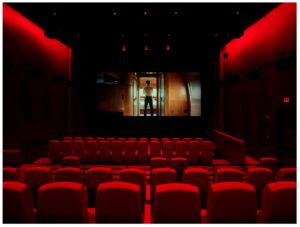
2020: The Playhouse closes due to COVID-19.
2022: Billionaire Aby Rosen and son Charlie purchase the theater with Lyrical Media’s Alex Black, and it’s renamed the Southampton Playhouse.
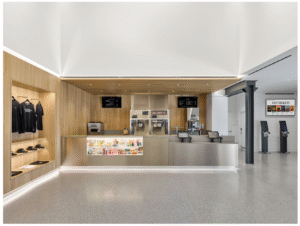
2023: 1100 Architect begins renovation of the space.
2025: The Southampton Playhouse has its grand reopening in February with live performances, an IMAX screening of Oppenheimer, a showing of the documentary Blue Angels, and a retrospective honoring the year the theater originally opened.

DID YOU KNOW…
- The Gary Cooper Film Festival is held at the Southampton Playhouse every May to celebrate the classical Hollywood star, who was a frequent visitor to the theater.

- TV chef and author Ina Garten featured the cinema in a 2003 episode of the Barefoot Contessa series on Food Network.

- The theater has won many awards, including a North American Cinema Award; Best Classic Refurbishment; Interior Design Best of Year, Entertainment; and AIA Long Island, Archi Commendation.
- The Southampton Playhouse publishes a weekly newsletter written by artistic director Eric Kohn called The Playhouse Post that blends cultural journalism with film history and industry insights.
Rob Asher