


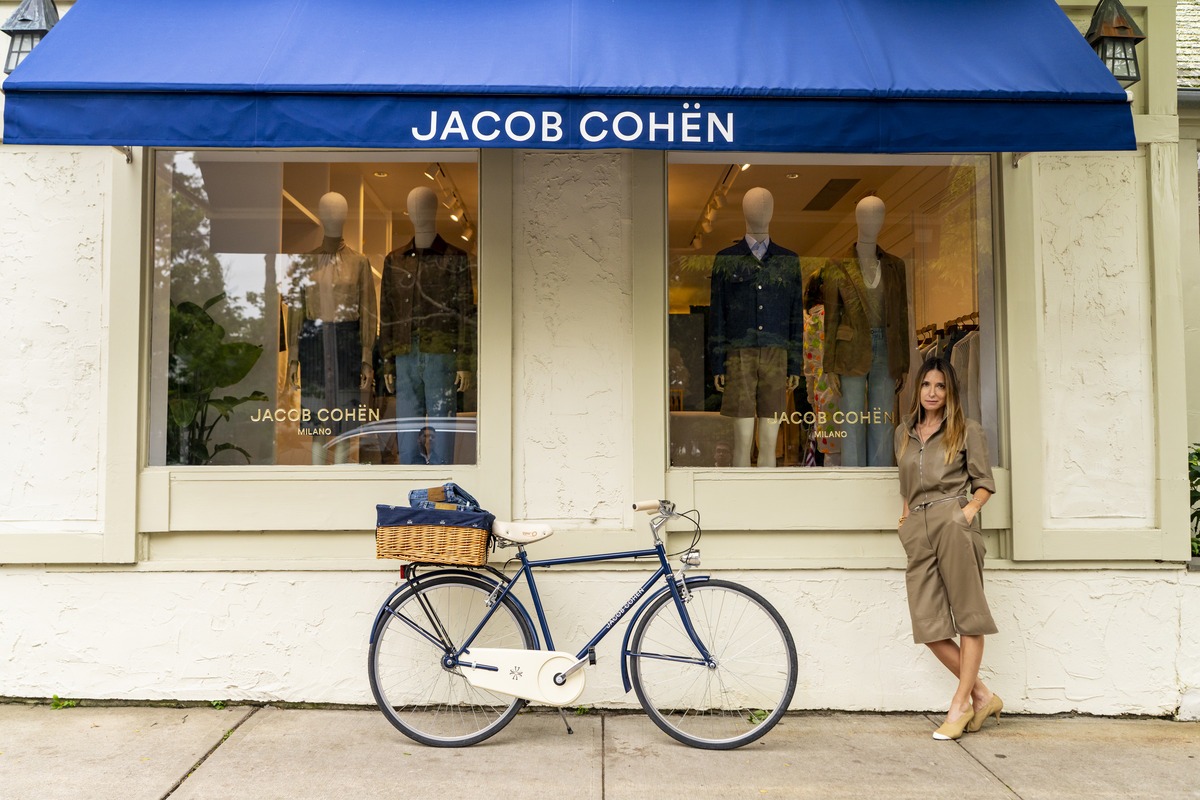
This summer, Italian luxury label Jacob Cohën is bringing a taste of la dolce vita to the Hamptons with the opening of a seasonal pop-up on Jobs Lane in Southampton Village. Housed in a charming cottage across from the Southampton Arts Center, the boutique features the brand’s signature luxury denim alongside its Spring/Summer 2026 ready-to-wear collections for men and women, reflecting the effortless sophistication and craftsmanship that have become synonymous with the Italian label.
Founded in 1985 and later reimagined as a pioneer of elevated casualwear, Jacob Cohën has evolved into a full luxury lifestyle brand while remaining committed to Italian manufacturing and exceptional quality. As the company continues its expansion across North America, Spotlight caught up with Owner and Creative Director Jennifer Tommasi Bardelle at the Southampton opening to discuss the brand’s remarkable history, her deeply personal journey rebuilding the family business, and the vision guiding its next chapter.
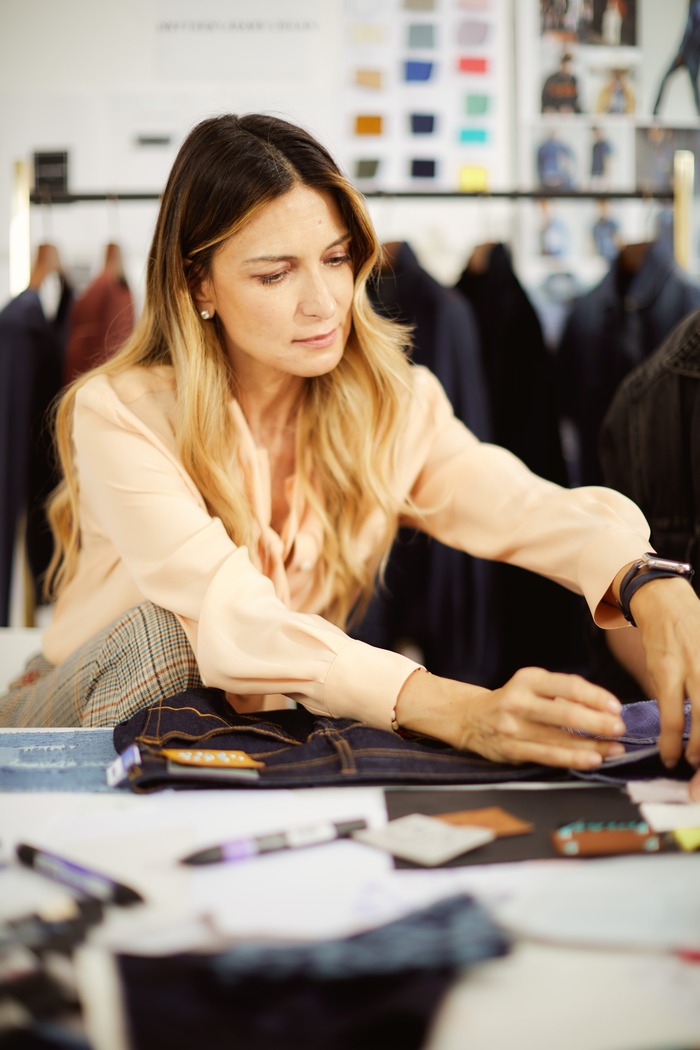
Spotlight: The first million-dollar question: Who is Jacob Cohën?
Tommasi Bardelle: Nobody. It’s an invented name.
The brand was actually born in 1985 by my father-in-law. At the time, he owned one of the biggest denim companies called Americanino, and he decided he wanted to build a luxury denim brand. He believed denim could be sold as a luxury product when, in those days, it wasn’t. It was a worker pant. Everybody wore jeans, but they served a different purpose.
He paid attention to every detail—the buttons, the rivets, the packaging. The jeans came in a box with a pencil, and he wanted the advertising to appear only in Vogue. His campaign was photographed on a golf course because, in 1985, only very high-spending people played golf. He had this vision of creating something completely different.
When it came to the name, he looked to the people who invented the five-pocket jean. Levi Strauss’ partner was Jacob Davis, the man who invented the rivets. He couldn’t use the name Jacob Davis, so he took “Jacob” and paired it with one of the most common Jewish surnames. We’re 100% Italian and everything is made in Italy, but it was really his way of honoring the people who created modern denim. I think it’s important to appreciate what others have done, even your competitors.
Spotlight: How did the brand evolve into the luxury denim label it’s known as today?
Tommasi Bardelle: After my father-in-law’s company went bankrupt, my husband Nicola wanted to rebuild everything. His mother had literally saved one million under the mattress after working from 7 a.m. until 10 p.m. every day for years. With that money, they rebuilt a production company and started producing for other brands.
Then, in 2002, Nicola created the first slim-fit jean. At the time, everybody was wearing straight-leg denim like the 501. He also introduced Japanese comfort fabric with a little stretch, and he decided to sell Jacob Cohën in luxury multi-brand boutiques instead of denim shops.
By the end of 2003, you’d find Jacob Cohën next to a Brunello Cucinelli sweater or a Kiton blazer. That was what made the brand successful.
Spotlight: And from what I hear, they fit incredibly well.
Tommasi Bardelle: The fit is everything. What we still sell the most is the very first fit Nicola designed, obviously restyled over the years. It’s called the Bard, after Bardelle, and the Nick is our second bestseller, named after Nicola. Those are still the icons of the brand.
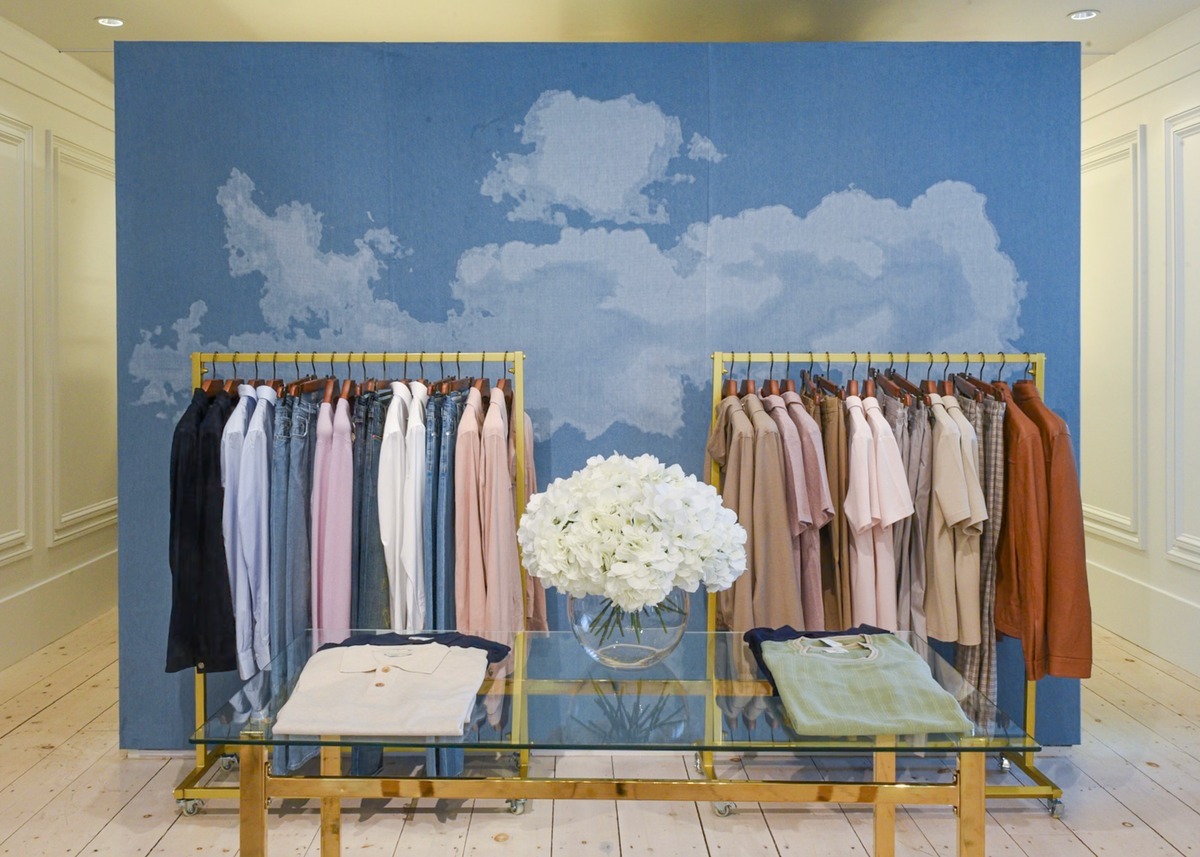
Spotlight: Was womenswear always part of Jacob Cohën?
Tommasi Bardelle: Yes, from the second season in 2003. Women’s was doing very well, and Nicola used to create the collection by borrowing pieces from my closet. He loved creating lifestyle, not just denim.
He always admired Ralph Lauren because of the world Ralph had built. He also admired Adriano Goldschmied because, for him, Adriano invented denim. Nicola wanted Jacob Cohën to become something much bigger than jeans, so he started creating incredible leather jackets, knitwear, and other luxury pieces.
After Nicola passed away, the women’s business was under a license, and unfortunately they didn’t care about it the way he did. They cared about selling products, not building the brand. A lot of what Nicola had created was lost during those years.
Spotlight: Today, you’re leading the brand. What has that journey been like?
Tommasi Bardelle: I won 12 lawsuits to get the brand back.
I always say God took away from me, but God also gave me this incredible husband and the opportunity to continue what we built together. Finally, after two years, everything is back to us, and this is the first collection designed by me.
I always knew the power of the brand. My oldest son had just turned four and my youngest was only 22 months old when we moved to Saint-Tropez because I believed that was the right place to open our first boutique. Nobody believed in me. Everyone in the company said, “Oh, that’s just Nick’s wife’s little toy.” That “toy” ended up making €1.5 million a season.
Nick passed away in Saint-Tropez after we had a business meeting with an American who wanted to expand Jacob Cohën. I could have sold the company when he passed away, but I had to do it for him, for our children, and now I’m doing it for myself. For 10 years, I didn’t have a life. I had to fight to keep the brand.
Spotlight: Was carrying on Nicola’s legacy always what motivated you?
Tommasi Bardelle: After his death, I became much closer to my faith. I work all the time—24 hours a day, seven days a week—and of course I have two teenagers and three dogs, too.
But I’m doing this because I love the people I work with. I would love one day to leave them something. Of course I’m not a saint—I like beautiful things—but I also want to leave something in the world.
All you see in fashion is fake. It’s all fake. I don’t want to tell stories that aren’t true. I want people to say, “She did something in fashion. People were happy to work for her.” That’s what matters to me.
I don’t want to make money just because we have to make money. I want to transmit something. I want people to feel the passion behind Jacob Cohën.
Spotlight: Quiet luxury has become one of fashion’s biggest conversations. How does the brand fit into that movement?
Tommasi Bardelle: My brand reflects who I am. It’s quite luxury.
Thank God quiet luxury is everywhere now because it’s good for us, but it’s true. I will never shout what I have. We believe in quality, craftsmanship, and letting the product speak for itself.
Spotlight: What’s next for Jacob Cohën?
Tommasi Bardelle: The biggest plan is North America. That’s our focus.
We’re investing everything into this market because we truly believe in it. When Jacob Cohën does something, we try to do it the best way possible. Otherwise, we don’t do it.
We’re creating spaces that are experiences—a gentleman’s club, handcrafted leather walls, beautiful Italian materials. Everything comes from Italy because every detail matters.
I’m proud of everybody who works with me because I truly believe our greatest strength is our team. If you look at my business card, there’s no job title. I don’t need one. I’m part of the team, and that’s how I’ve always wanted to lead.