

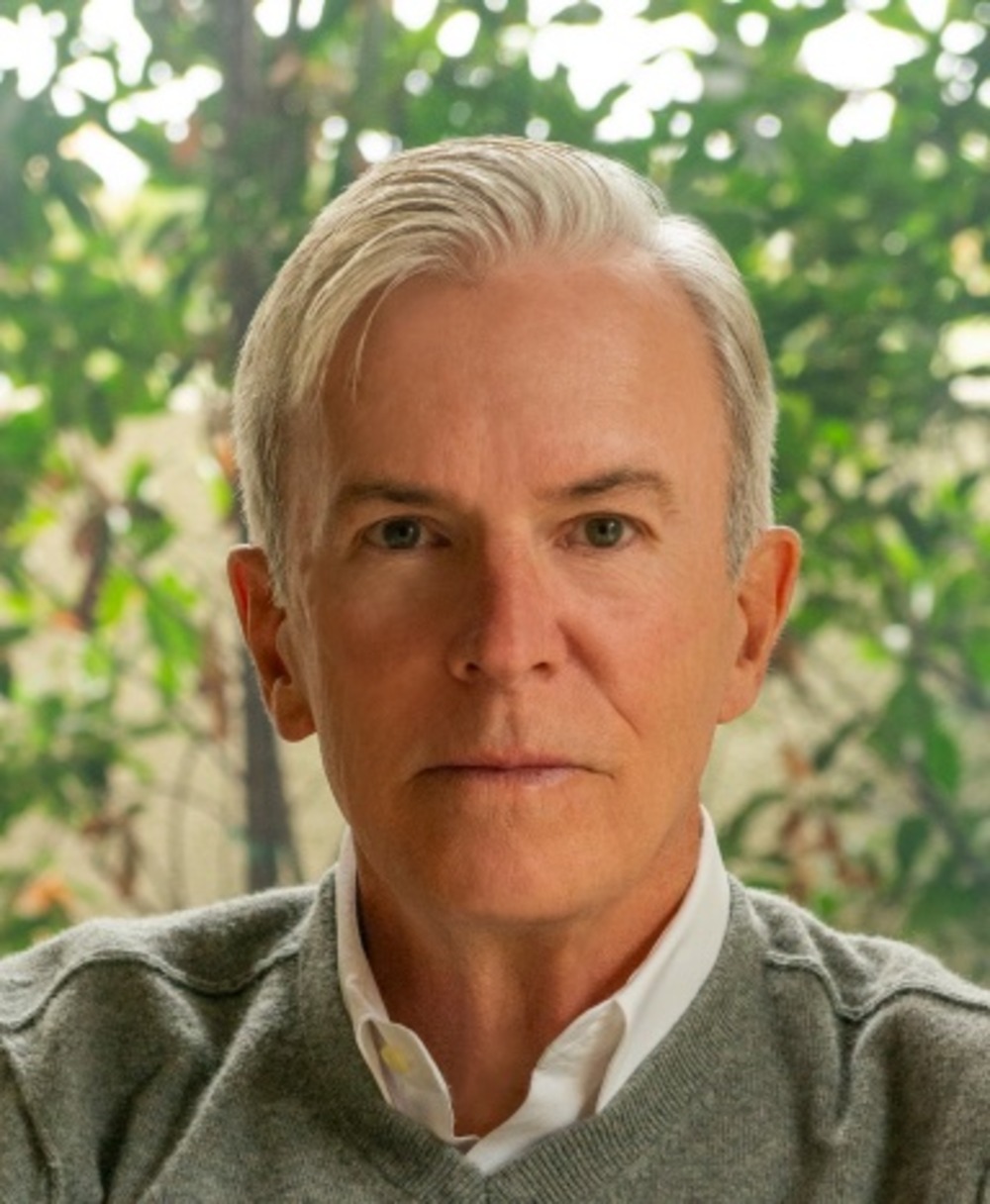
As January invites reflection and reinvention, Michael J. Norton offers a refreshingly honest take on what real change actually looks like. In his latest book, The S@#t I’ve Heard at Yoga (What I Learned in Downward Dog), the brand strategist–turned-author distills overheard studio wisdom into witty, grounding insights on anxiety, ambition, and emotional reset. Splitting his time between New York City and the Hamptons, Michael proves that transformation isn’t about perfect poses or New Year’s resolutions—it’s about perspective. The book is now available on Amazon, Barnes & Noble, and Bookshop.
SPOTLIGHT: January is all about fresh starts. What did yoga teach you about resetting your mindset—especially when life doesn’t magically change on January 1st?
NORTON: Many people make resolutions about external changes, like losing weight, getting organized, committing to fitness regimens and quitting bad habits. Through yoga, I rewired how I approached challenges and goals. I focus more on how I want to feel at the start and end of my day. Yoga has so many physical benefits – strength, agility, balance, stamina – but for me, it was my emotional muscles that were significantly stretched and changed. As my book details, the philosophical tidbits shared by my fellow yogis at the beginning of class shifted the way I experienced my life emotionally. That awareness and knowledge created a lasting sea change in the person people meet today. I’m sometimes surprised by who I am today. I’m much more efficient at deciding what is meaningless and what is meaningful.
SPOTLIGHT: Your journey from anxious, Type A overthinker to “OM guy” is incredibly relatable. What was the first small shift that made you realize something was actually working?
NORTON: There were two key subtle, quiet indicators that I was experiencing a significant shift in how I experienced my world. First, there was a moment in a crowded cheese shop, everyone was physically anxious waiting for their turn to stock up on expensive cheeses and imported biscuits. A woman who probably should have been at the pharmacy picking up a prescription for Xanax instead turned her frantic eyes on me and demanded to know, “You’re so calm?” Secondly, I started to fall asleep easily and stay asleep. There was much less time staring at the ceiling reliving the big and small regrets of my life.
SPOTLIGHT: The S@#t I’ve Heard at Yoga is funny, but it’s also deeply grounding. How can humor be a tool for healing—especially during a time when people are rethinking their habits and priorities?
NORTON: The best humor is always based on real hard truths. Think about the movies and TV shows that make you laugh the hardest. Those characters and stories sit on top of very real human experiences. BRIDESMAIDS is a great example; in her heart, Kriten Wiig’s character is experiencing a terrifying loss of friendship, identity and career promise. But the movie is hilarious. When you’re in a tough situation or mindset, flip the story and imagine you’re going through your s@#t with Kristen Wiig or Melissa McCarthy. Your story will look and feel different than the story you’re stuck in at the moment. Finding the funny or absurd in any situation will always provide the path to recognition, clarity, acceptance and forward motion. Here’s a really simple tip: “Organize your face.” This is so simple. I was taught to worry. The nuns always said, “If you worry about it, it won’t happen.” Well, since I was always worrying about something, I always had a constipated face. People would always ask, “What’s wrong?” Now, if I’m having a stressed-out day, I force my face into a relaxed look. At-ease. Even a happy face. That simple shift changes the mood. Rather than looking like how I feel, I can force myself to feel what my face is saying. When doing yoga, a strained face will undermine the stability of a pose. Forcing a calm face will help you maintain greater balance and control in a challenging pose.
SPOTLIGHT: Many people start the New Year asking, “Now what?” How did the lessons from the mat help you turn that question into “What’s next?”
NORTON: I’ve spent most of my professional life as a Brand Strategist. When I begin working with a new client, I do what’s called a brand audit. I get to know everything about a brand’s history and current situation both externally and internally. When Covid put us in lockdown, I started writing these essays as sort of a brand audit of where I’ve been and where I was in my life. I was also hitting an age when I knew that after Covid, I couldn’t be and didn’t want to be who I had been. I really thought through everything that I had heard at yoga. I realized that at different points and at different ages in life, we all get stuck in our lives. We get stuck in our stories of who we are. New Year’s is one of those moments that people look ahead, often with a sense of dread or futility, and wonder “Now what?” As I share in the book, I thought less about what I wanted or who I wanted to be. I am much more conscious of how I want to feel in my life. Now, I can easily see and say “yes” to “What’s next?”
SPOTLIGHT: For anyone approaching 2026 feeling burned out or stuck, what’s one simple take away from the book they can start practicing immediately—no yoga mat required?
NORTON: We’ve all spent our lifetimes making resolutions that rarely stick. My best advice: Forget resolutions. Create revolutions.
A revolution is a dramatic change in power, typically thought of in the context of a government. With these nano-revolutions, I changed how I govern myself. Here’s a few of my big, easy revolutions. Always have an answer to the question, “What’s new?” This question is as common as “Hello” and “What’s up?” “Same-old, same-old” and “Not much” are not very energizing answers. These answers reinforce the feeling that life can become a slog, a daily routine void of new energy and inspiration. Always having something “new” in your life – big or small – will change your energy and the energy coming at you. “Be a beginner.” Forget everything you know. Work. Relationships. Family. Friendships. Forget the stories that are in your head. Assume you know nothing. Get reacquainted with your life through who you are now. You won’t need to make resolutions because this fresh perspective will make room for change.
“Even flowers know to turn to the light.” We get trapped in trying to solve problems. In that, there’s a tug-of-war between right and wrong. The easiest way to get over, get around or get past a problem is to turn away from it and give more time to the people, places and activities that make us feel good about ourselves. I always invested more time and headspace to the people who offered no real nutritional value rather than the people who fed and lightened my soul. I have a simple test: if I go to dinner with friends, I ask myself if I had fun or wished I’d stayed home and watched Netflix. If Netflix is the answer, then maybe that friendship exceeded its sell-by date.
“Do something that scares you.” When you’re scared, you’re fueled with an adrenaline rush. When you don’t have all the answers, you’re focused. When you’re feeling like a freshman, you’re nervous and excited. Familiarity breeds complacency. Change doesn’t happen while floating in a sea of sameness. If you embrace new challenges – if you allow yourself to be uncomfortable – you’ll find a new version of you. That’s the you that will create what’s new and next in your life.
My personal revolution for 2026? “Be Andy Happy” At the end of a yoga class, I overheard a young guy say, “I want to be Andy Happy.” He was talking about Andy Cohen. He didn’t know Andy but he wanted his life to have Andy’s natural exuberance. This is one of my favorite chapters in the book because we all need to learn how to listen to ourselves. I won’t say more about it because I think you’ll enjoy reading it. I had never met Andy until this year. I will bartend on WATCH WHAT HAPPENS LIVE on Andy’s first show of 2026. Talk about a great start to the new year!
I wrote this book for all the people who don’t do yoga but could benefit from what I learned in downward dog. For all the people who practice yoga, let’s share the funny, insightful, helpful, inspiring and curious s*#t we’ve heard in and around our yoga practice.