

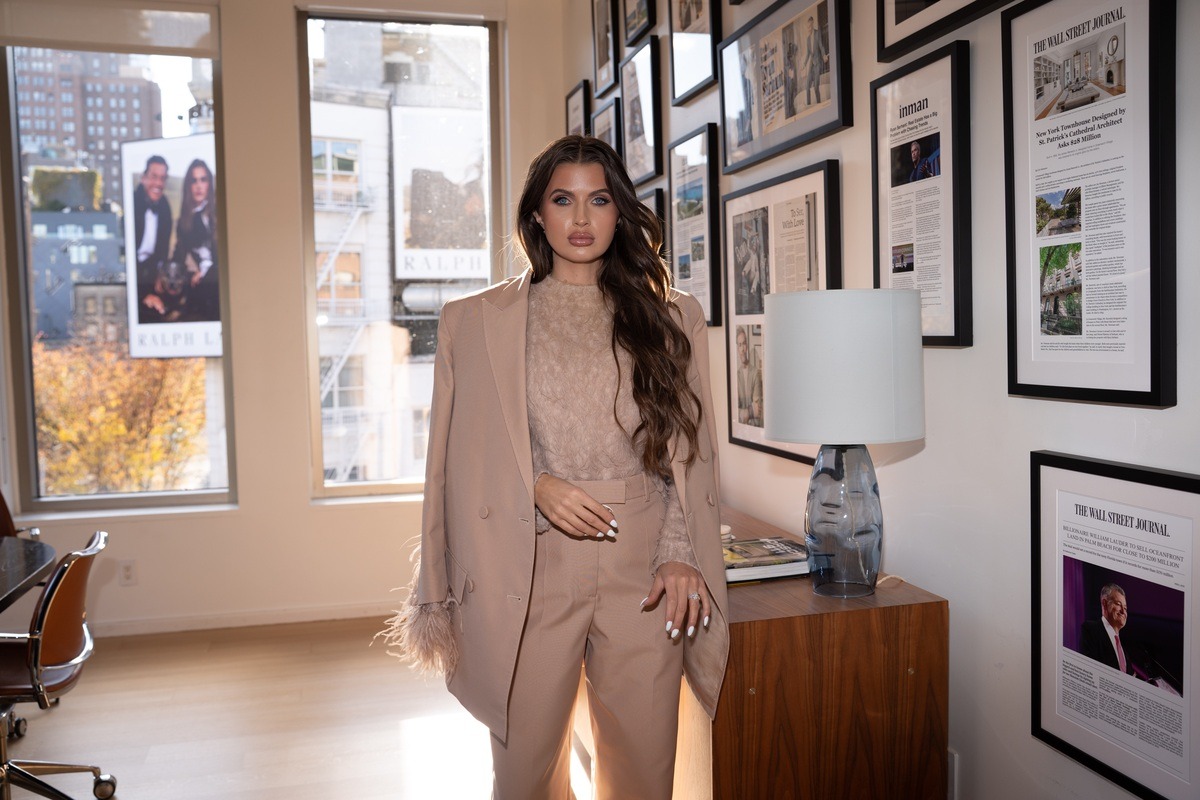
As Owning Manhattan returns for its second season on Netflix, Jessica Markowski continues to stand out by bringing editorial-level fashion into New York City’s luxury real estate world. From designer partnerships to a personal brand shaped by fashion tech and storytelling, Jessica is changing how properties—and the agents behind them—are experienced on screen and beyond.
Spotlight Magazine sat down with Jessica to discuss fashion as strategy, social media as a modern-day open house, and carving out a distinctive lane in a competitive industry.
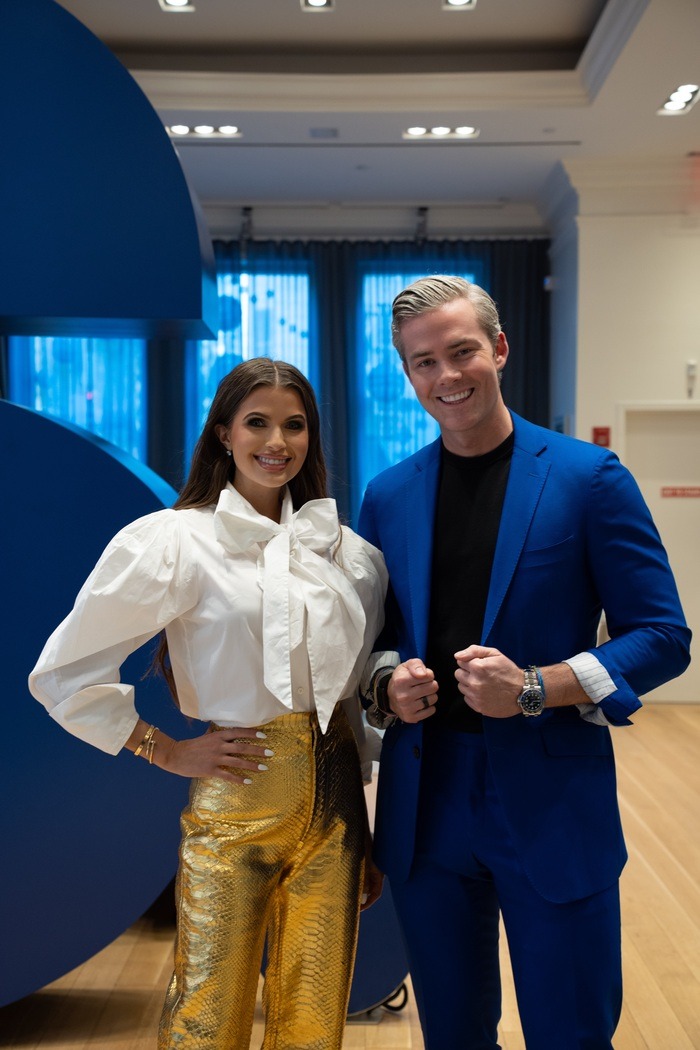
SPOTLIGHT: You’ve developed a signature way of bringing high-fashion energy into New York’s luxury real estate world. How do you see style influencing the way buyers experience a property—and how has your approach evolved for Season 2?
MARKOWSKI: Style is a language, and in New York’s luxury real estate, it sets the stage for how buyers feel the moment they step through the door. Curating high-fashion looks isn’t just self-expression—it’s part of the experience. When I enter a showing in a unique look, it signals excitement, exclusivity, and aspiration.
For Season 2, I’ve leaned even more into fashion as an ambient element. From the textures I wear to the environments I create for each listing, there’s intentional synergy designed to make every walkthrough feel cinematic and unforgettable. My approach has become more collaborative, weaving designer partnerships and custom pieces into the narrative of each home.
SPOTLIGHT: This season, you collaborated with designers like Oscar de la Renta and Bronx and Banco. What was your vision behind these partnerships, and how did you curate looks that feel both editorial and authentic to you?
MARKOWSKI: Working with iconic designers like Oscar de la Renta and Bronx and Banco was about blending editorial drama with authenticity. The goal was to elevate each episode’s visual storytelling while staying true to who I am.
Each look was curated for context—an architectural silhouette for a penthouse, something playful and textured for a more bohemian loft. The question was always: Does this feel like me while amplifying the luxury and creativity of the deal?
SPOTLIGHT: Your background at Screenshop shaped your eye for trend forecasting and fashion tech. How does that experience inform your personal brand today?
MARKOWSKI: Screenshop was my crash course in how microtrends emerge and how technology can democratize access to style. That foundation informs everything I do, from content creation to brand partnerships.
I approach my personal brand like a curated digital storefront—every detail is intentional. On camera and online, I use those instincts to anticipate what will resonate while allowing the brand to evolve naturally.
SPOTLIGHT: You’ve built a strong social media presence. What strategies have been most effective for marketing properties and connecting with clients?
MARKOWSKI: Social media is the most powerful open house in the world. Authenticity, consistency, and a strong visual identity matter most.
I focus on behind-the-scenes moments, property walkthroughs, and aspirational but approachable styling content. High-quality video brings listings to life, while educational and personal posts build trust and real connection.
SPOTLIGHT: Fashion has become part of your public narrative—from your on-screen moments to your New York Times–featured wedding. How do you balance personal expression with being a public figure in real estate?
MARKOWSKI: Fashion is both my armor and my storytelling tool. Every look is a way to communicate confidence while connecting with people who share my aesthetic.
There’s a balance between authenticity and awareness of the platform I have. I aim to inspire while staying relatable, sharing the intention behind each look along with the real, unfiltered moments.
SPOTLIGHT: As a woman in luxury real estate, what challenges have you faced—and how has your distinctive style helped you stand out?
MARKOWSKI: Being underestimated is part of the landscape. One of my biggest challenges was owning my voice when it didn’t fit the traditional mold.
Leaning into my personal style became my advantage. It sparks conversation, sets me apart, and creates a signature experience for my clients. I’ve learned that what makes you different is often your greatest strength.