


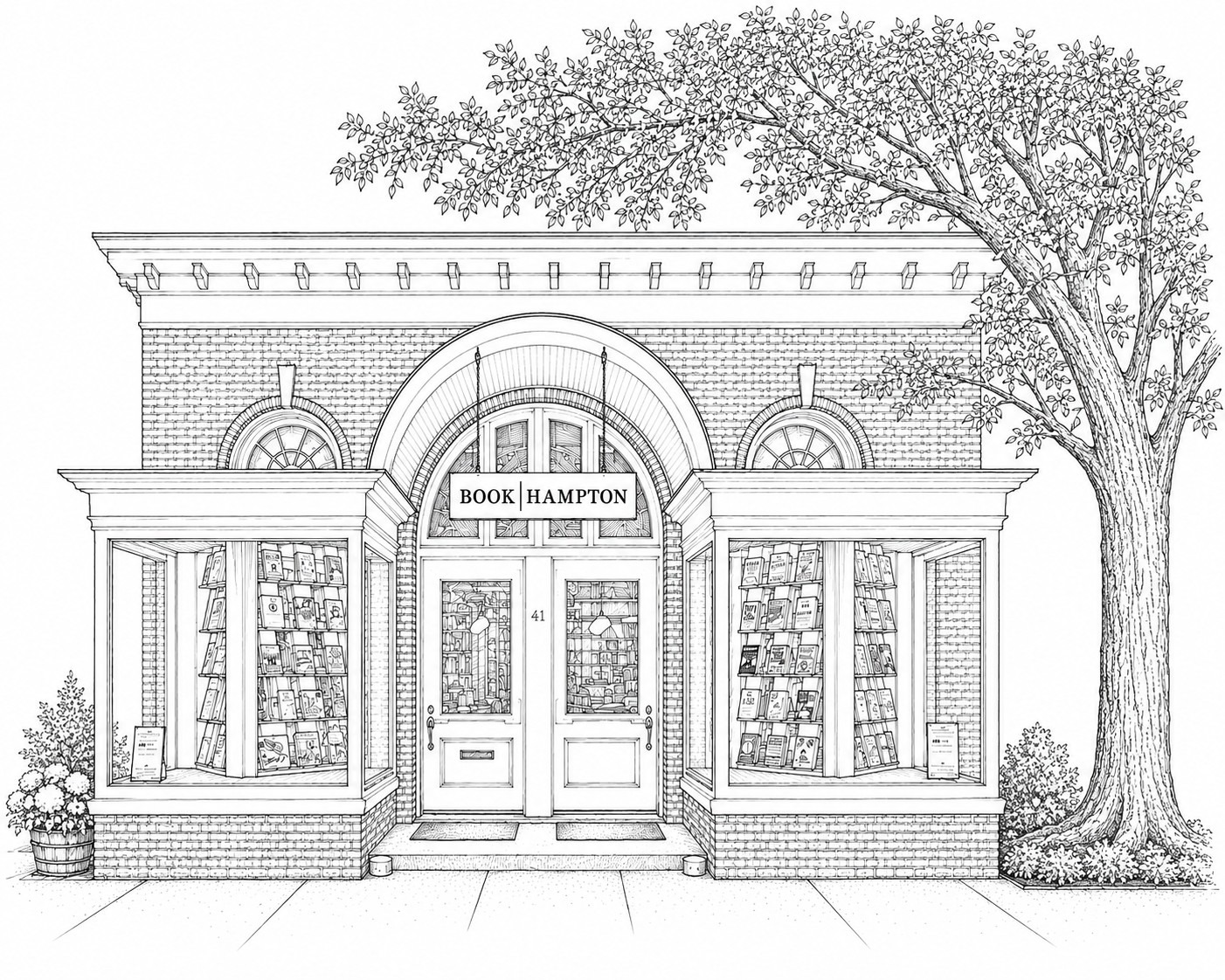
For decades, the Hamptons has been a place where artists, writers, thinkers, and creators have gathered to exchange ideas as much as they have come to relax. Yet in recent years, many of the independent institutions that helped define the East End’s character have faced increasing pressure from rising rents, changing consumer habits, and the steady march of digital culture.
When BookHampton’s future came into question, one unlikely buyer stepped in: legendary art dealer Larry Gagosian. Known for building one of the most influential gallery empires in the world, Gagosian’s decision to acquire East Hampton’s beloved independent bookstore wasn’t driven by business opportunity. Instead, it was motivated by a desire to preserve something increasingly rare: a place dedicated to ideas.
“I learned through someone at the gallery that the owner was looking to sell,” Gagosian says. “There was some fear that it could be lost and the space taken over by another retailer, of which there are plenty. East Hampton has only one general-interest bookstore, and I felt it was important that it be saved for the community.”
For someone whose name has become synonymous with the global art market, the move may seem surprising. But for Gagosian, books have always been central to his world. A devoted reader, he sees bookstores not merely as retail spaces but as cultural gathering places that foster discovery in ways algorithms cannot replicate.
“I’m not influenced by digital consumption,” he says. “For me, it’s a social experience, and the ability to browse is key. You can pick up a book, flip through a few pages, and see if the writing style connects with you. That kind of spontaneous sampling can really only happen in person.”
That philosophy feels particularly relevant in East Hampton, a community whose cultural identity has long been shaped by writers, artists, architects, and creative visionaries. Under Gagosian’s stewardship, BookHampton is already evolving to better serve that audience, including an expanded selection of art and design titles.
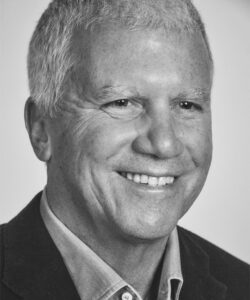
“I want to ensure that it remains relevant,” he says. “East Hampton is a community with a lot of people who care about art and artists, so we expanded the art and design titles.”
The acquisition also feels like a natural extension of Gagosian’s lifelong commitment to publishing and storytelling. Beyond representing some of the world’s most celebrated artists, his galleries have become major publishing forces in their own right. “I’m a pretty consistent reader, and I enjoy being in a bookstore and looking for something good to read,” he says. “My gallery also publishes books; we’re due to publish our 700th title this fall. We also publish a print magazine that people seem to like.”
At a time when many small cultural institutions are disappearing, Gagosian believes preserving places like BookHampton is essential to maintaining the soul of the East End. “It’s very important—it’s what sets the Hamptons apart,” he says. “That is why I am committed to keeping the shop relevant. It acts as a cultural glue, and if the store had disappeared, it would have left a big hole in the community. It’s kind of a tipping point situation, and you don’t want it to tip in the wrong direction.”
In many ways, BookHampton represents something increasingly valuable: a place where discovery happens slowly, conversations unfold organically, and culture is experienced rather than consumed. By stepping in when the bookstore’s future was uncertain, Gagosian didn’t just purchase a business—he helped preserve a cornerstone of the Hamptons community.
And while he may spend his days shaping the global art world, his latest recommendation is decidedly literary. The last book he finished? Dolce Vita Confidential: Fellini, Loren, Pucci, Paparazzi, and the Swinging High Life of 1950s Rome, by Shawn Levy.
Not a bad choice for a man determined to keep the art of browsing alive.
Sydney Sadick