

Early September means back to school, back to work, the promise of oncoming fall, and most importantly, the kickoff to New York Fashion Week, of course. NYFW was started as “Press Week” by Eleanor Lambert in 1943, who recognized what America was lacking but Paris had mastered—publicity and an appreciation for fashion designers, by label. Paris was considered the only “authority” of high fashion at the time, but became inaccessible during World War II. Lambert changed the world of fashion forever by bringing the press directly to American designers.
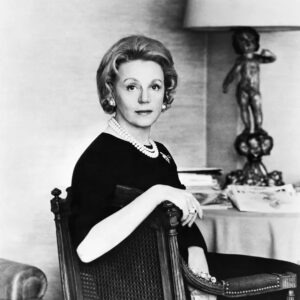
Presentations were held in showrooms throughout Manhattan for an impressive 50 years. In 1993, the Council of Fashion Designers of America, led by executive director Fern Mallis and president Stan Herman, created a centralized version known as 7th on Sixth in New York City’s Bryant Park. “The Tents” dazzled for the next 16 years through 2009, and New York Fashion Week became the fashion and media mecca that we know today…sort of.
NYFW became hugely popular in the 1990s and early 2000s, and defined the supermodel runway era. NYC used to be the end point after the London, Milan, and Paris shows, after everyone had already emptied their wallets. Then Helmut Lang shook things up in 1998 by moving from Paris to New York and opting to hold his shows in September. Other designers followed suit, making NYC the first stop. That’s when things got exciting.
At this heightened point of fashion, getting an invite was an event in itself. The presentation was a Cinderella moment: beautifully calligraphed stationery, gorgeous flowers, and if one was lucky enough, even a gown to wear to the ball, glass slippers not included. Taking care to look good and wear the latest fashion was both fun and terrifying. Photographers were everywhere with the amazing Bill Cunningham taking the lead. I once had a panic attack at a show, sitting face-to-face with Anna Wintour across from me on the runway. I thought I would die in the front row.
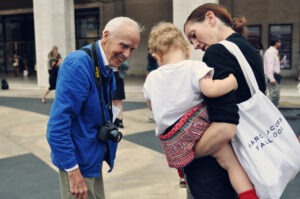
The fun parts outweighed the anxiety, and fun was all around; it was nonstop fashion-action. A chance to see friends at one event after another, luncheons were followed by dinners, followed by after-parties, followed by after-after parties, each with an outfit change as if we were on the runway ourselves. Exhausting, but what a wonderful experience!
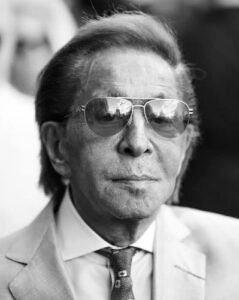
When I worked at Ralph Lauren, we had intimate gatherings with both friends and family, as well as all the heads of the department stores. Saks Fifth Avenue, Bergdorf Goodman, Neiman Marcus, and Nordstrom were all there and everyone knew one another, mingling in what would eventually become a bygone era. Some of my fondest memories are being in showrooms where designers like Valentino would introduce everyone from behind the scenes and we got to meet—and applaud—the craftspeople who made the magic happen. Celebrities started showing up in the late ’90s, but before then Fashion Week was really for the industry and fashion lovers.
By 2010, NYFW outgrew Bryant Park and moved to Lincoln Center, but then moved back to scattered showrooms after 2015. Then COVID struck and things got weird. Everything went remote, digital, and desperate, and I suppose today, we have a mixed bag of what was and what came to be, holding on to many of the techy things that stuck because of convenience and accessibility. Although we did somehow lose the plot.
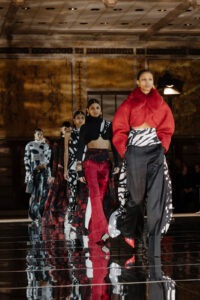
The digital age wiped out artisans and craftsmen in the Fashion District and in workshops and ateliers throughout the city, most of which moved either overseas or on-screen. Much of the hands-on craftspeople are being phased out, either due to robots taking over or not enough of the younger generation learning the trade.
Influencers changed the whole market and everything became “all about me” and instant gratification. You don’t even need to see the shows anymore because all of it is viewable online! “Get ready with me” NYFW edit, hot takes, like, subscribe, and add to cart! Runway fashion is delivered to your door within the week. Hashtag blessed.
There are positives to the digital side of NYFW as well. Information on the latest collections is so much more accessible to anyone who’s interested, no one with a computer or smartphone is left out. Content is global, and we all get to appreciate not only the runway but often the behind-the-scenes process and craftsmanship.
While I still prefer to shop in person, and I wholeheartedly recommend seeing as much as you can of Fashion Week head on, the secret pleasure of ordering something online in my pajamas is not lost on me. Glass slippers, out of stock.
NYFW_2009_Front Row Dennis Basso
NOT NYFW but a nice front row photo with Olivia Palermo and Carlos Souza – Valentino runway 2014 / Billy Farrell
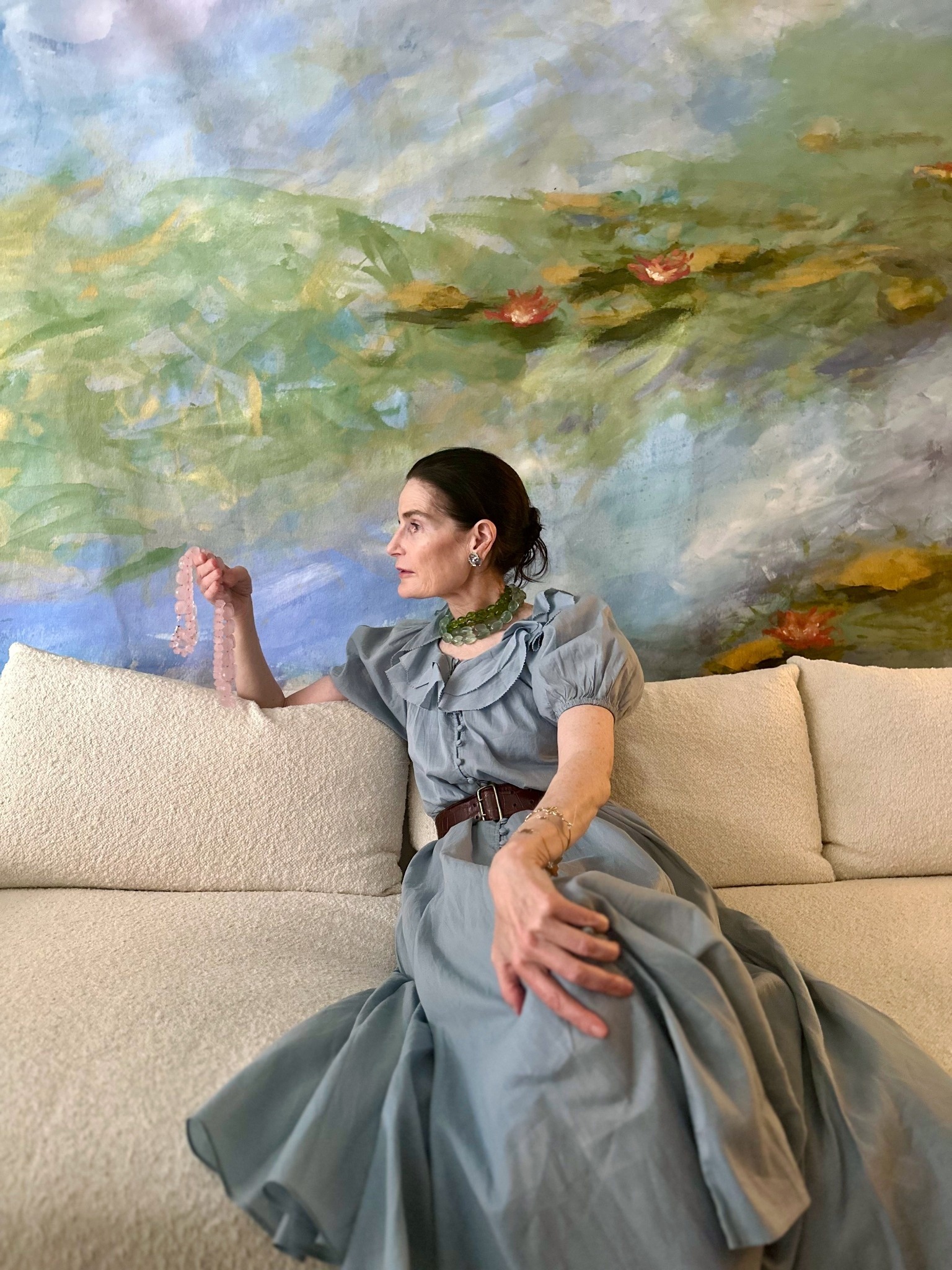
Jennifer Creel