
For readers who are just getting to know you, can you tell us a little about yourself and what inspired you to launch Rodial?
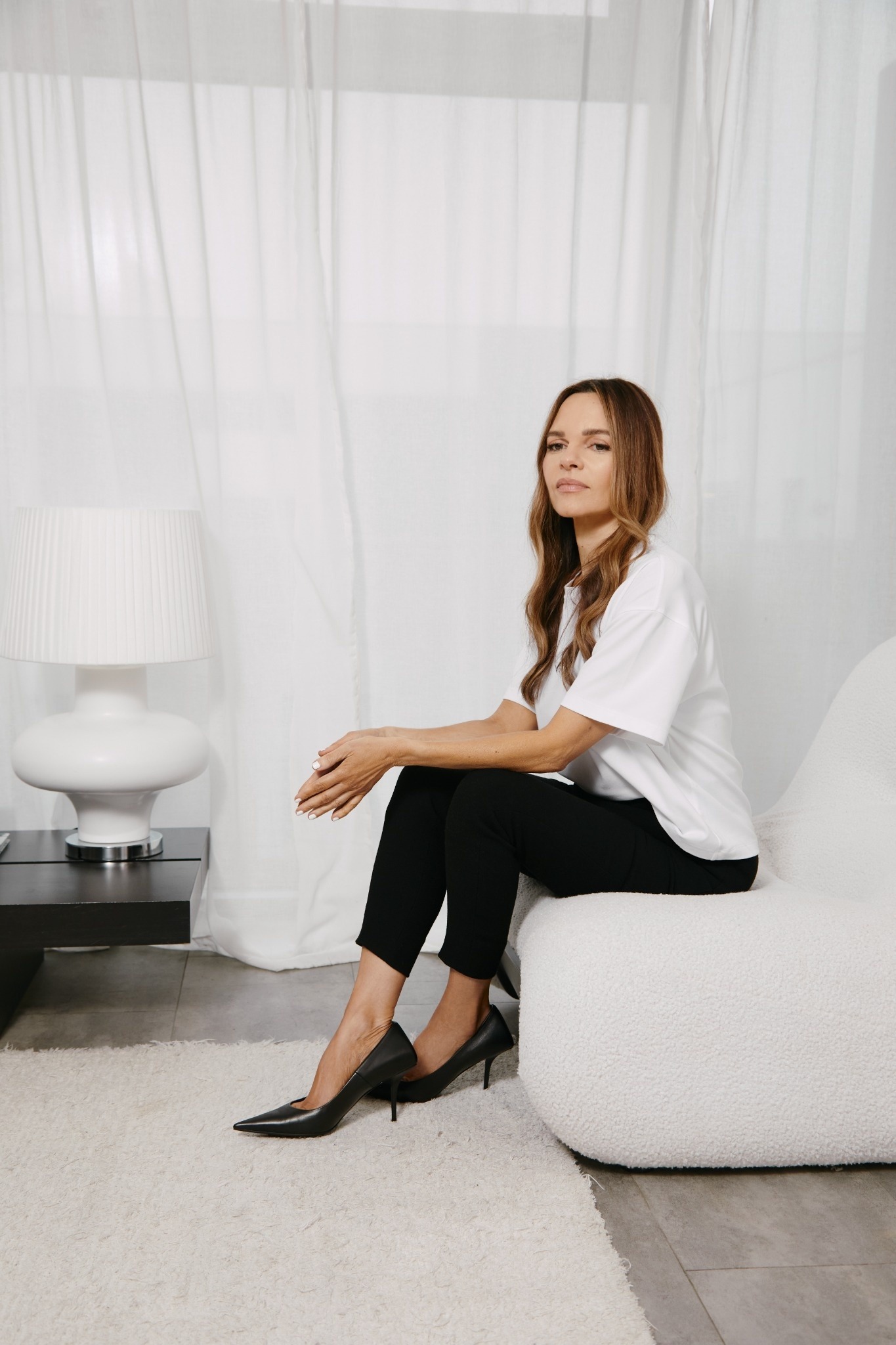
I grew up in Greece, where I started writing beauty features for Seventeen magazine. It sparked a fascination with skincare that has stayed with me ever since. A few years later, I moved to New York for an MBA at Columbia Business School before joining Salomon Brothers, first in NYC and then London. Although banking seemed like the sensible career path, it never felt like the right one. When I was fired, it felt like the biggest setback of my life. Looking back, it was the turning point that gave me the courage to start Rodial. Twenty-five years later, it’s still the best decision I ever made.
At what point did you stop writing about beauty and start creating products yourself?
When I lost my banking job, I realised there was a gap in the beauty market. Twenty-five years ago, most skincare felt very generic. I wanted to create targeted treatments for specific skin concerns using unexpected ingredients. That led to products like Snake Serum, Dragon’s Blood Sculpting Gel, and Bee Venom, which helped put Rodial on the map.
When you first launched, what was your vision for the brand, and how has that vision evolved?
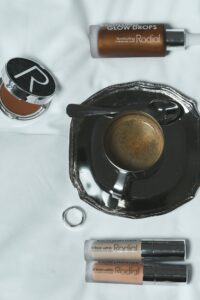
The vision has always been the same—targeted skincare powered by innovative ingredients. What has evolved is the science. More recently we’ve launched our Salmon DNA range, expanded into complexion with bestselling products like Banana Lowlighter and Blush Drops, and continued to innovate. We work with some of the most luxury stores in the world, from Blue Mercury to Neiman’s to Selfridges and Harrods in the UK. I always ask myself, “What is the Rodial woman missing?” The advantage is that I am the Rodial woman, so many of our products start with something I wish existed.
When you’re creating a new product, where does the inspiration come from?
I’m always looking for what’s next in beauty. Our latest Salmon DNA range is a great example. I had an injectable treatment and loved how my skin looked afterward, but I also experienced swelling and redness. It made me wonder if we could create a topical version inspired by the treatment that delivered many of the same skin benefits without the downtime. The best ideas usually come from wanting a better solution myself.
Many beauty brands have been acquired by larger companies. Why has staying independent been important to you?
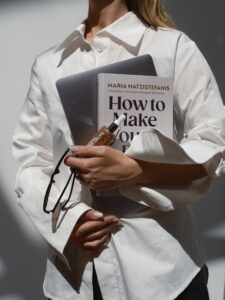
Remaining self-funded has allowed me to build Rodial on my own terms. I talk about the challenges of the first years in my book How to Be an Overnight Success (you can’t). I’ve never wanted to grow simply for the sake of growth. My ambition has always been to create products women genuinely love and trust, and to build a luxury heritage brand that will still be relevant decades from now. Being independent also means we can move quickly, take creative risks, and think long-term.
How do you continue to stay relevant in an industry that’s constantly evolving?
The way we build brands has completely changed. A few years ago it was all about paid social and influencers. Today, I believe community is one of the most powerful forms of marketing. I spend a lot of time in New York, where my two sons are studying, hosting intimate events and connecting with women face-to-face. That’s now expanding to the Hamptons, with plans for Texas and Los Angeles. Those genuine relationships have become just as valuable as any marketing campaign.
As a woman who built a beauty company from the ground up, what were some of the biggest challenges you faced, and how did they shape you?
Building a business without outside investment means every pound has to work hard. It forces you to become resourceful, creative, and disciplined. Even today, with more than 100 people across 35 countries, I still love rolling up my sleeves and getting involved. That’s what entrepreneurship really is—you never stop being the founder. What’s ironic is that I’m now an investor myself at at TV show called Dragons Den, which is a European version of Shark Tank, and am excited to invest in startups and mentor young entrepreneurs.
What’s one piece of advice you’d give to someone who wants to start a beauty brand?
Do your research. Beauty is one of the most competitive industries in the world, so don’t try to be everything to everyone. Find one problem you can solve better than anyone else, own it, and build from there.
You’re London-based but travel to New York regularly. Why is New York important for the brand?
New York has always felt like a second home. I studied there, started my career there, and now both of my sons are there, so I spend a lot of time in the city. There’s an energy and openness that’s hard to replicate. People are curious, ambitious, and willing to connect, which makes it an inspiring place to grow both a business and a community around Rodial.
How does it feel to be activating in the Hamptons?
The Hamptons have been special to me since my Columbia days. I’ve been coming here for years, and I love it in every season. It’s a place with an incredible sense of community, so I’m delighted to be partnering with Spotlight magazine and introducing Rodial to even more women here.
What’s next for Rodial?
We have exciting innovations in the pipeline. We’re continuing to expand across the U.S., and I’m enjoying meeting our customers in person through events and community building. I often write in How to Make Your First Million that businesses should never stand still. Reinvention is what keeps both founders and brands relevant, and that’s exactly how I see the future of Rodial.
Audrey Glass